
Time Blocking for Busy Professionals
How to structure your calendar to protect deep work time without sacrificing collaboration and meetings.
Read ArticleMeet the Expert
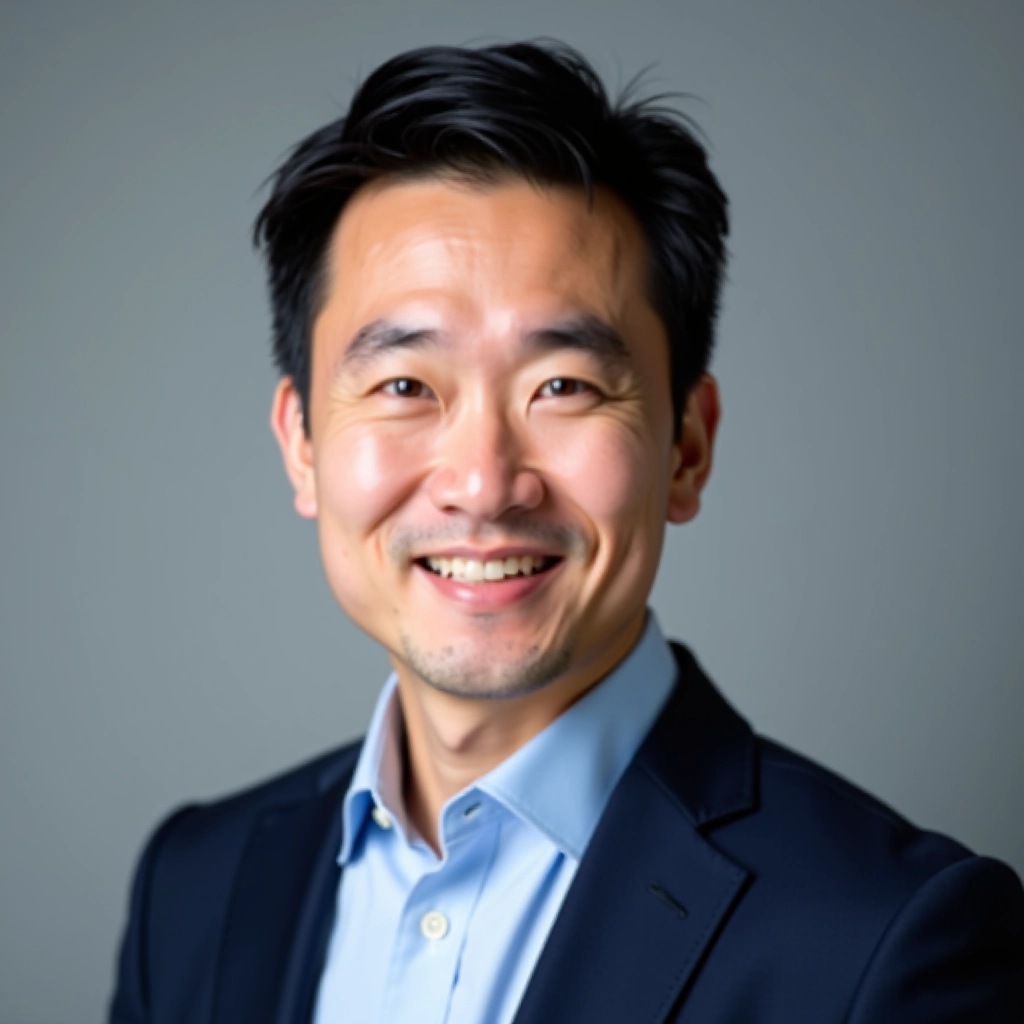
Director of Productivity Research & Training
Focus Zone Limited
14 years helping Hong Kong’s professionals reclaim their focus. Working with 200+ organizations to eliminate distractions and build sustainable deep work habits.
What He Does
Specialized in helping Wan Chai office teams eliminate digital distractions and build sustainable focus habits in high-pressure corporate environments.
Evidence-based programs designed around how attention actually works. Not theory—practical strategies tested with real teams in Hong Kong’s demanding finance and tech sectors.
Tackled the notification problem before it became a crisis. His framework helps teams reduce interruptions without feeling like they’re disconnected from critical communications.
Researched the specific challenges of Wan Chai’s densely packed office environments. His research on attention management in open-plan spaces is cited in regional and international studies.
Creates sustainable shifts, not quick fixes. His training programs consistently achieve 70%+ long-term adoption rates—employees actually stick with what they learn.
The Story
David was working as an HR consultant at a Central District investment firm when something bothered him. High-performing employees—the ones who should’ve been crushing complex analytical work—were struggling to focus. Not because they lacked ability. They couldn’t get uninterrupted time. Constant emails. Slack messages. Impromptu meetings. The interruptions were destroying their productivity.
This observation led him back to school. He pursued a Master’s degree in Organizational Psychology from the University of Hong Kong, focusing specifically on attention management and cognitive load in modern workplaces. The research was eye-opening—and it confirmed what he’d observed wasn’t a personal failing. It’s systemic. Our work environments are designed to fragment attention.
He’s spent the last decade designing and delivering focus training programs. Started with a few teams. Now he’s worked with over 200 organizations—multinational corporations, investment banks, technology companies across Hong Kong. He’s trained thousands of office professionals. The average result? People reclaim about 8 hours per week in productive time. That’s not a marginal improvement. That’s transformational for busy professionals.
Background
Organizational Psychology
University of Hong Kong
Business Administration
Chinese University of Hong Kong
Cognitive Behavioral Coaching
International Coaching Federation
Workplace Neuroscience
NeuroLeadership Institute
His Approach
Deep work isn’t a luxury. It’s essential. And it’s not something that happens by accident in modern offices.
David’s philosophy is straightforward: sustainable behavioral change beats quick fixes. He’s seen too many organizations roll out apps or policies that work for a month, then fade. That’s not useful. His programs are built to last because they’re built around how people actually work—not how we wish they’d work.
He accounts for Hong Kong’s distinctive work culture. The communication norms here are different. The pressure is different. The office layouts are different. Generic productivity advice doesn’t cut it. Solutions need to fit the context. They need to work in a 2,000-square-foot trading floor with 40 people. They need to function in Wan Chai’s high-rise office towers where quiet space is precious.
Most importantly, he’s passionate about creating actual change. Not metrics that look good in a presentation. Real improvement in people’s ability to do meaningful work. When someone can finally finish a complex project without seven interruptions, that’s what matters. When a team stops scheduling unnecessary meetings and reclaims 10 hours per week, that’s success.
“Focus isn’t about working harder. It’s about creating the conditions where good work can actually happen. That requires understanding both neuroscience and the realities of your specific workplace.”
— David Lam
Results
200+
Organizations Trained
Across finance, tech, and professional services in Hong Kong
8 hours
Weekly Time Recovered
Average productivity gain per participant after training
70%+
Long-term Adoption Rate
Employees who maintain focus habits 12 months after training
14 years
In the Field
Continuous work in productivity optimization and organizational psychology
Learn More
Practical guidance on building sustainable focus habits and eliminating workplace distractions.
How to structure your calendar to protect deep work time without sacrificing collaboration and meetings.
Read ArticleStrategies for managing constant alerts without falling behind on critical communications.
Read ArticlePractical tactics for cutting unnecessary meetings and reclaiming productive hours.
Read ArticleHow to create team norms that support deep work and reduce mutual interruptions.
Read Article